





A LETTER FROM GABI
s the leader of Institutional Advancement, I am thrilled to share our annual edition of Impact, our alumni and donor magazine.
Institutional Advancement’s mission is to build community and encourage generosity to advance educational equity and expand opportunity through meaningful engagement. We do this work by engaging with you: our students and staff, our alumni community, our community partners and our donors and advisors. This year, we reached an exciting milestone. We are now more than 300,000 SNHU alumni strong! If you are new to our community, congratulations on your graduation and welcome. If you are returning, welcome home.
As one student featured in this issue, Ezra, so eloquently stated: “I realized that SNHU is not just a university. It’s a university that pours into the community and grows alongside it.”
We saw generosity show up in powerful ways this year. Because of the success of Founders Day and SNHU Giving Days, we were able to award countless student scholarships, including scholarships for student internships, which you will read more about in this issue. Homecoming in October was a big hit, and we hosted regional events for alumni, donors, and employees from Atlanta to Dallas.
Our Chandler Center is celebrating its 20th anniversary! In January, our Student Civic Engagement Committee was recognized as the New Hampshire recipient of the John Lewis Youth Leadership Award. Each Secretary of State selects an individual or group under the age of 25 who has improved the civic life of their community.
Southern New Hampshire University takes pride in being more than an institution of learning; we are a lifelong community. Even in challenging times, our commitment to building a community of engagement and giving remains steadfast. We strive to provide you with opportunities to stay connected, not only to the university but to one another, and to foster a culture of giving in which your knowledge, time, and resources help multiply our collective impact.
Inspired by the support he has received, Ezra is committed to paying it forward. “It gives me hope because it shows there is a lot of love in the world,” he said. “Yes, the world is broken, but there are still people willing to help.” Thank you for helping us build a generous community.
With appreciation,
Gabi Zolla
Vice President, Institutional Advancement
Contents
-
Celebrating 20 Years of The Chandler Center
-
A Culture of Care
-
Keenan Cooney ’23 ’26MBA
-
The Journey of Mark Haddad ’01 ’11G
-
Bancroft Daley ’21
-
Journeys Shaped by Time and Heart
-
SNHU Athletic Hall of Fame Class of 2025




- President and CEO
Lisa Marsh Ryerson - Managing Editor
Erin McGonagle ’15G - Contributors
Brianna Allard - Steve Boucher
- Audrey Bourque
- Kori E. Chamberlin ’24
- Eric Coplin ’18G
- Melanie Drolet ’16
- Katie Dugan ’20G
- Sajra Dzelilovic ’22 ’23MBA
- Kirsten Farrell ’16
- Vanessa Karagosian
- Becca Lazinsk ’17G
- Courtney Lawson ’16 ’17MBA
- Shakila Ahmed Lira, Class of 2027
- Lauren Maynard ’17G
- Kaylyn Ryan ’18 ’20MFA
- Shayla Walsh ’08 ’10G
- Victoria Webb ’22
- Gabi Zolla
- Graphic Design
Krystal Siemon - Printing
RC Brayshaw - Digital Magazine
Vertiqul
publications.snhu.edu - Impact is published by the Office of Institutional Advancement
Gabi Zolla, Vice President,
Institutional Advancement -
Changes of address may be sent to alumni@snhu.edu or to:
Office of Institutional Advancement
Southern New Hampshire University
2500 North River Road
Manchester, NH 03106-1045


A Letter From The President
At a time of significant change in higher education, SNHU remains focused on what matters most: meeting the needs of real people, right now. Our learners — working adults, parents, veterans and active-duty military members, first-generation students, career changers, and those seeking to transform their lives through higher education — are balancing education with the realities of daily life. Our responsibility is to ensure their learning experience is relevant, supportive, and designed to help them move forward with confidence.
That work is only possible because of a generous community that believes in the power of education to change lives. With more than 316,000 alumni worldwide, SNHU is defined by our shared sense of purpose. Whether learners join us online, on campus, or through community-based partnerships, they belong to a university that meets them where they are and supports them every step of the way.


Belonging also means removing barriers that stand in the way of success. Learners cannot thrive academically if they are struggling to meet basic needs like food, housing, and transportation. At SNHU, we’ve seen firsthand that when learners receive support, they are more likely to stay enrolled and complete their degrees. This is one of many ways we put learners first, guided by data and driven by our mission.
As the workforce evolves and new technologies reshape how and where people work, higher education must evolve too. SNHU is demonstrating what’s possible when institutions offer flexible pathways, recognize prior learning, and partner with employers to ensure learners graduate with durable, in-demand skills. We’re confident in this model because it works, and because it reflects how learning actually happens across jobs, classrooms, and life.
The years ahead will continue to bring change — and that’s a good thing. One thing that will remain steadfast is our mission to expand access to affordable, high-quality education and to foster a community where learners feel they belong and can thrive. I look forward to the work ahead with optimism and excitement — and I invite our alumni, donors, volunteers, and fellow institutions to join us in building what comes next.
With gratitude,

President
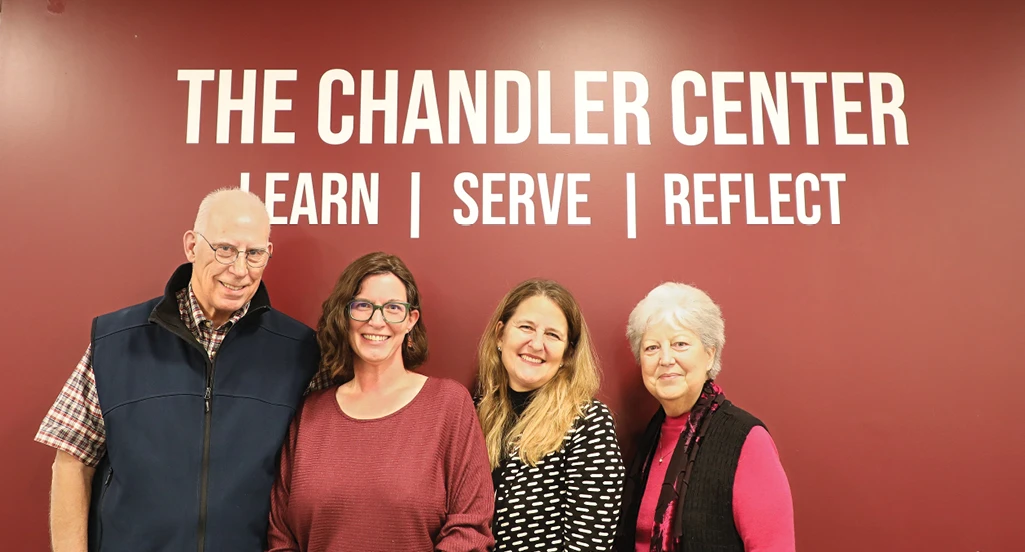
Celebrating 20 Years of the Chandler Center

ittle did Ryan Noronha ’17 know that a classroom discussion about service-learning during his sophomore year would change the trajectory of his life.
“There was a presentation on Inti, an afterschool program for children of all ages, primarily refugees and immigrants,” Noronha said. “The program included a lot of soccer, and I loved playing soccer growing up, so I thought that participating would be an awesome experience. It ultimately turned out to be the best decision I ever made.”


“Before The Chandler Center, I never knew how much I loved to give back to others,” he said. “I did a bit of community service in high school, but it was really to prop up my college résumé. Now I do it because I enjoy helping other people and working with vulnerable populations.”
These days, Noronha serves his community through his role as assistant administrator at Catholic Charities New Hampshire, a human services organization supporting those in need, of all backgrounds and beliefs, throughout New Hampshire. His efforts are focused primarily on the organization’s nursing home, ensuring that residents receive excellent long-term, short-term, and palliative care.
“I’m never going to work a job where I’m not making an impact on someone. It’s more than a paycheck for me,” he said. “I look to do something that, when I go home at night, I feel like I have that sense of purpose. I don’t believe that I would have found that had I not signed up to be a service-learner way back in the second semester of 2013.”
Noronha is just one of the more than 8,400 students who have engaged in community service since 2015, when participation data began being formally tracked. What was once a small, committed group of students raising funds for the March of Dimes has grown into a university-wide “community of caring,” logging more than 118,133 student service hours over the past 11 years.
While alumni like Noronha illustrate the personal impact of service-learning, a major turning point in the university’s broader community service efforts occurred in 2005 with the creation of a center focused on civic and community engagement to empower students to become active in their communities. This moved the university from random acts of kindness by students to a focused strategy of community engagement that integrates service with academic instruction and critical reflection.

Elizabeth Richards, assistant vice president of The Chandler Center, appreciates the magnitude of this culture shift and recognizes the positive impact of working with Laurie and Clarke Chandler to promote the work of the Center.
“Laurie and Clarke are part of The Chandler Center community,” she said. “The students know them and get excited to see them here. In addition to the financial gift, which is incredible, their friendship, mentorship, and connection to the work have really been the most valuable contributions to me. This has been a very special relationship.”
Service-learning has been an essential part of the campus community’s DNA since the university was founded as the New Hampshire Accounting and Secretarial School in 1932. In 2021, The Chandler Center broadened this tradition, significantly expanding its reach by engaging the online student population for the first time.
“It was wonderful to be able to start building communities within our online student space through SNHUconnect,” Richards said. “We now have ways for students, both on campus and online, to earn badges that show employers the skills that they’ve learned through being involved in community engagement. We’re continually growing, expanding, and improving.”


Similarly, the Student Support Foundation, part of a larger grant from the Morgridge Family Foundation, helps high school and college students learn about the role of philanthropy in effecting social change. Students identify a community problem, such as food insecurity or homelessness, and are provided seed money to develop strategies that create solutions.
Junior Mya Dowd is part of a new generation of service-learners at The Chandler Center. A justice studies major, Dowd is a Social Change Fellow and is performing research on civic engagement among SNHU students. She has been busy collecting data on issues like social advocacy and has made it her goal to pass on her research to decision-makers who can ensure that young people’s voices are heard.
“As a young person, it’s very difficult to navigate a political climate if you’re not already fluent in the things that are being said,” she said. “I believe that this project is important because I would love to shine a light on the resources that students have, to start asking questions and not be ashamed of being curious.”
The enduring legacy of The Chandler Center is its ability to create a culture of engagement, ensuring that students enter the world not only as professionals, but as empathetic, active citizens dedicated to lifting up the communities they call home.
“What The Chandler Center showed me was that I want to really be an active citizen and continue to volunteer in different communities throughout my life,” said Arielys Liriano ’21, associate project officer at the International Atomic Energy Agency in Vienna, Austria. “Even when I’m not in Manchester, New Hampshire, where I grew up, that idea of giving back is something that I still carry with me when I move abroad to different places.”

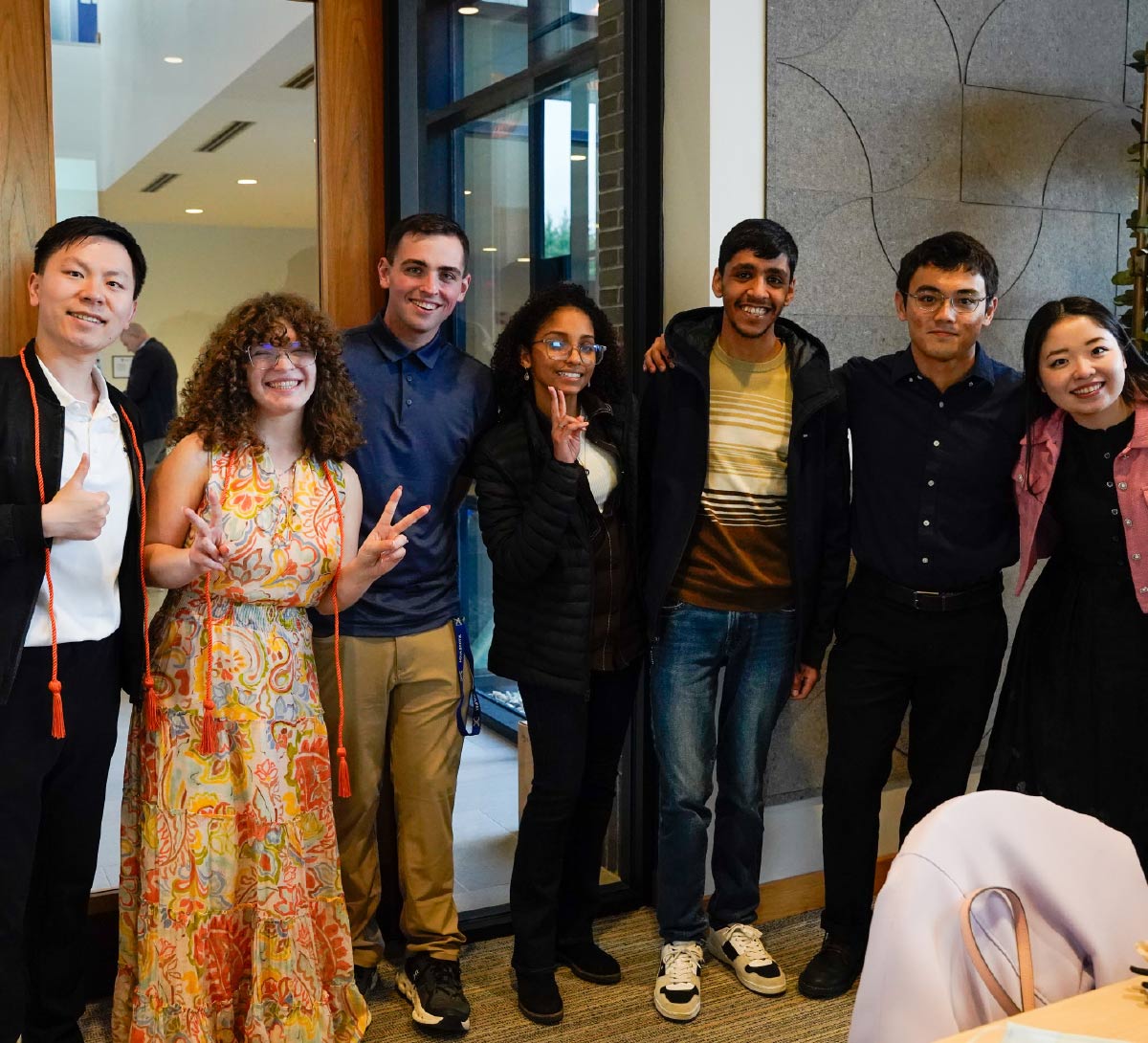

More Than Resources
A Culture of Care
n recent years, SNHU students have shared that they are facing increased levels of stress, isolation, and challenges balancing academics with life pressures.
When Heather Lorenz ’98G, vice president of student affairs and campus based initiatives, and Felix Pizzi, assistant vice president of student health and well-being, reviewed data across all student modalities, they saw that our students needed more accessible, comprehensive well-being resources that help reduce barriers to care and make everyone feel connected, whether they are on the Manchester campus or learning online.
“The prevalence of mental health challenges that our students were experiencing was higher for our SNHU students than it was for the national average. And so that, for us, meant that we had an obligation to act,” said Lorenz. In response, SNHU has introduced several key initiatives that reflect this commitment.
Mantra Care Hub
“The Mantra Care Hub provides wellness and productivity coaching. It also provides consultation for faculty and staff when they need support in supporting students with basic needs or mental health concerns,” said Pizzi.
Through this hub, students can find tools to manage stress, build resilience, and connect with licensed professionals on their own time. As one anonymous student shared, “I think the application is a great way to explore different facets of yourself and improve on the areas that you struggle with.”
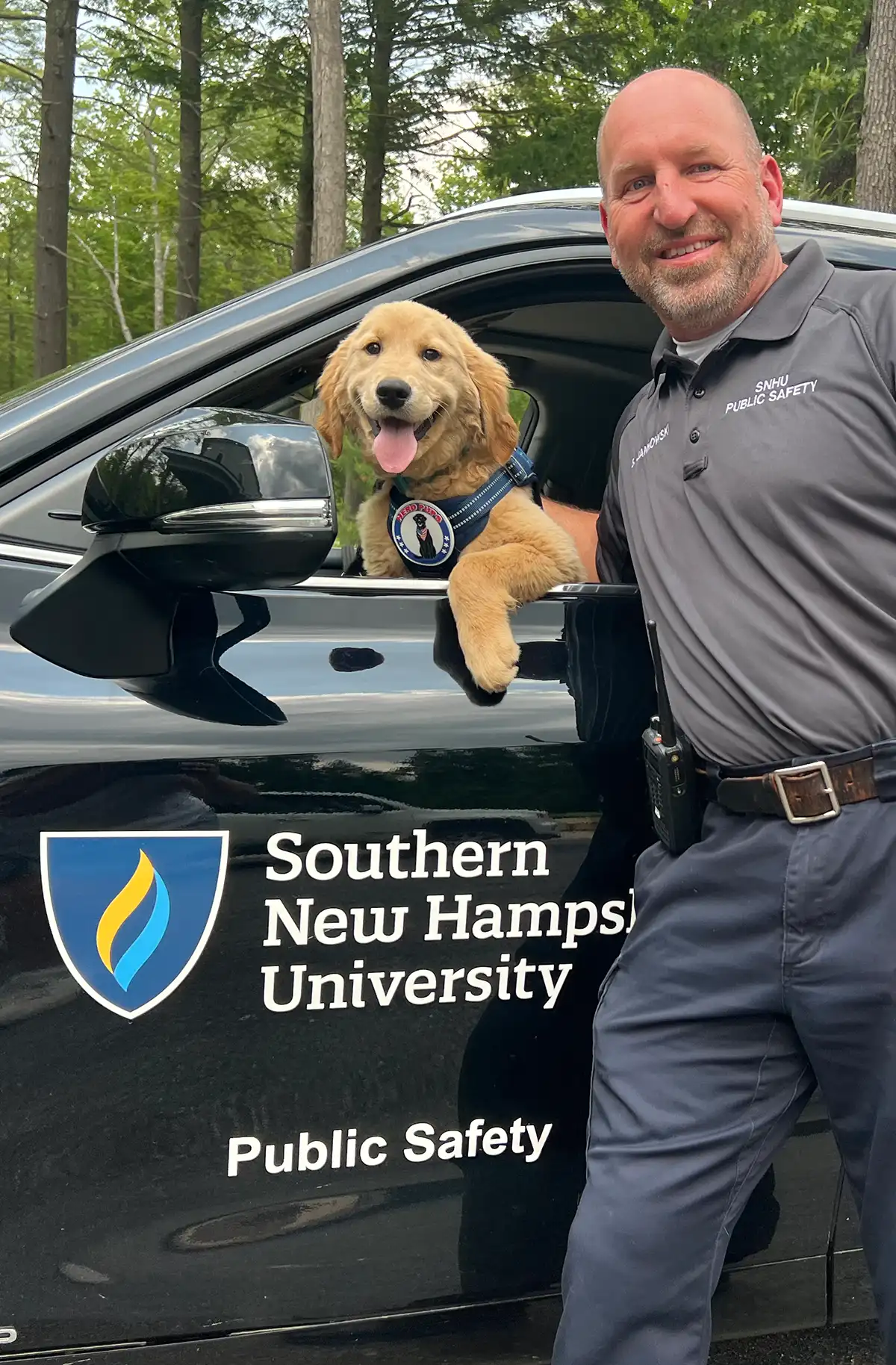


Sunny the Comfort Dog
In the fall of 2025, Sunny completed specialized training with Hero Pups, a nonprofit organization specializing in training comfort dogs for public service. As part of her training, Sunny learned how to remain calm and supportive in high-energy environments like student centers, residence halls, and campus events. Campus and online students were thrilled to have Sunny cheering them on at the fall 2025 Commencement ceremonies.
Sunny provides emotional support, promotes wellness, and engages with the SNHU community in times of stress or crisis. Having Sunny as part of the Public Safety team will also strengthen connections between Public Safety officers and students, faculty, and staff. “I think what will happen with Sunny is we’ll start to be viewed more as caretakers than enforcement people,” said Jim Winn, assistant vice president of student affairs and public safety.
Sunny’s role recognizes that connection, informal support, and simple moments of comfort are powerful complements to formal care.
SNHU Impact Magazine March 2026

SNHU Impact Magazine March 2026
fter taking 10 years of piano lessons, Keenan Cooney spent seven more ignoring the upright in his Massachusetts home. Music wasn’t on his mind as Keenan arrived at SNHU, but when the pandemic disrupted campus life, the French-American musician craved creativity.
As a child, Keenan’s instinctive musical ear impressed but frustrated music teachers — he would memorize chords instead of learning them. This resistance to theory and disinterest in melodic convention pushed Keenan toward soccer during adolescence. It was prolonged isolation that stopped him at the Steigerman.
Once lockdown was lifted, Keenan returned to campus with inspiration and an electric piano. He amazed friends with some McCartney, but it was an original ballad that struck a chord. Even Keenan’s most stoic friend shared that the piece moved him, which boosted Keenan’s compositional confidence.
After scouring campus for an instrument to play between classes, Keenan stumbled upon a baby grand above the Dining Hall and several international students who equally enjoyed playing. This multicultural exchange was especially meaningful to Keenan, and, acoustics aside, the space gifted him comfort and community. Never feeling fully French or American, Keenan often found it difficult to know where he belonged.
“It was the first time that I connected with others not only through my identity but through my passion,” said Keenan.
Junior year, Keenan took his studies to Aix-en-Provence. Being in France strengthened his language comprehension, cultural understanding, and relationship with his European side. Engrossed in new places, people, and ideas, Keenan chose to complete his bachelor’s in communication online from France and continue making music.
Living abroad led Keenan to his Charente-based band, kemp. As kemp’s singer/songwriter, Keenan admires his bandmates’ synergy and willingness to explore ideas. Much like Keenan, they prioritize intuitive experimentation over structure. kemp has released two singles and has several additional songs in the works.
Now Stateside, Keenan is aligning his talents and entrepreneurial spirit for an MBA in Music Business from SNHU and Berklee College of Music. Although unconventional, his collegiate and musical journey brought him community and connection. Keenan’s bicultural perspective continues to fulfill, enrich, and enhance his rhythm of life.

No Straight Lines
hen you first connect with Mark Haddad, you immediately sense a man shaped by forward motion. His life, rich with pivots and reinventions, has been guided by an unrelenting drive to understand the world, improve himself, and honor the sacrifices of his family.
Mark’s parents, along with his aunt and uncle, immigrated from Egypt to Philadelphia before settling in New Hampshire, where they embraced a new culture and new opportunities. Near what is now the SNHU campus, they opened several restaurants, building a foundation through hard work and resilience. Education, however, was always the family’s true north. Haddad grew up knowing it was the highest priority, a lesson he carries with him today and has passed on to his own children.
His first attempt at college didn’t go as planned. After a difficult first semester, Haddad believed that he had let his family down; then something inside him shifted. Determined to make his father proud, he told himself, “I need to do something no one else can.” That mindset became a driving force and led him straight into the U.S. Army.
Haddad pushed himself through the grueling process of Special Forces selection, embracing the mental and physical demands with a determination that would become his calling card. A serious parachuting accident, however, brought him home with a broken leg, and the need to figure out what came next.

Haddad credits SNHU’s faculty with shaping much of who he became. Open, understanding teachers, particularly those who recognized that veteran students move at a different pace, had a lasting impact on his success. An English professor encouraged him to start writing, planting the seed for what would eventually become his first book. Just as important, Haddad found community at SNHU. He got involved on campus, trained athletes, and connected with leaders who expanded his sense of what was possible. As he puts it, “If you don’t have a community, make it.”
After graduating, Mark began a dynamic career in technology and business leadership, holding roles at organizations including Autodesk, Graphisoft, and Slalom. Today, he serves as senior client growth leader at IBM, specializing in Microsoft and IBM Cloud, artificial intelligence, and quantum computing. He has led teams, shaped product strategies, navigated acquisitions, and founded his own consulting company, Ascent, shortly before the pandemic disrupted industries worldwide.
Haddad’s life has never followed a straight line. After 9/11, he briefly returned to military service before another medical setback forced him to leave the uniform behind. He later worked as a private military contractor for the U.S. State Department, an experience that exposed him to trauma, conflict, and profound questions about human purpose. During those years abroad, the earliest ideas for his book began to take shape.
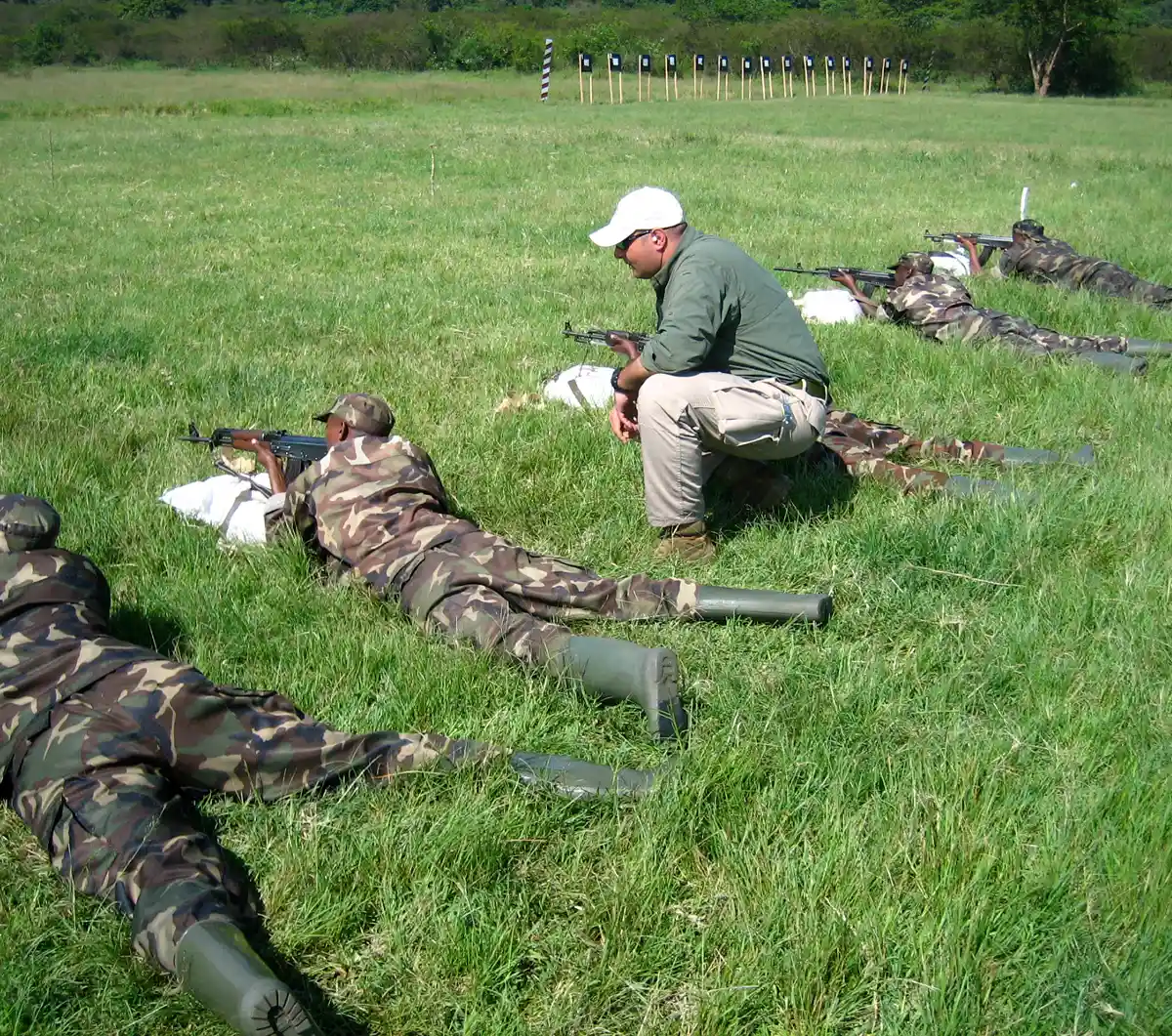

Haddad’s journey also led him, unexpectedly, into television and film. He consulted on the CBS series “SEAL Team,” took on acting roles, and contributed to a film addressing human trafficking. His military background helped shape scenes and storytelling, adding authenticity.
Through it all, Haddad remains deeply connected to SNHU. A proud alumnus, he has served on the Alumni Association Board of Directors, stayed engaged with campus happenings, and continues to champion the university’s mission of expanding access to high‑quality education. He speaks passionately about SNHU’s evolution, including its focus on non-traditional learners, strategic growth, and readiness to embrace emerging technologies.
Today, Haddad’s story is still unfolding. If his life so far were to be read as a series of chapters, he hopes readers would take away a lesson central to his book: “Your human perspective is not your soul’s perspective. You can create your future.” His journey reminds us that purpose isn’t something we find — it’s something we build through daily choices.
Bancroft Daley ’21
Found a Place to Belong — and a Path Forward
hen Bancroft Daley thinks about belonging, he doesn’t just think about fitting in. He thinks about showing up fully, fearlessly, and with purpose.
“Belonging,” he says, “is when you’re not just included. It’s when who you are, your identity, your experience, your history, is woven into the fabric of the space you’re in.”
It’s that sense of intentional belonging that Daley found at SNHU, and it’s something he carries with him today as a teacher, public speaker, and advocate in Philadelphia.
But the path to SNHU wasn’t always clear.
At 21, after years working at a trampoline park in Connecticut, Daley saw a commercial for SNHU and signed up for online classes. “I had no roadmap. College wasn’t part of the plan,” he said. “But something told me there was more for me.”
After one semester, he transferred to SNHU’s campus in Manchester, New Hampshire. “I hadn’t even realized how far it was until my mom and I got in the car,” he laughed. “But the moment I stepped onto campus, I felt something. It felt like home.”

“From the start, I wasn’t just included, I was celebrated,” he said. “People said, ‘We’re glad you’re here.’ And they meant it.”
Daley originally planned to earn his associate degree and move on, but graduation day changed that. “Seeing my whole family there, seeing how proud they were, especially my grandmother, it just hit different,” he said.
He stayed to complete his bachelor’s in business at SNHU. After graduating, he went on to pursue a master’s in human rights and gave a TEDxSNHU talk about the cost of fitting in, continuing his path of advocacy and leadership.
Now a high school teacher in Philadelphia, Daley is working toward becoming a principal, with the same mission he’s always carried.
Opening Doors to Opportunity

This scholarship has helped students gain real-world experience in fields ranging from social services and education to technology and nonprofit work. For recipients, the impact is profound; internships don’t just build résumés, they build confidence, expand networks, and often lead to full-time employment. By easing financial strain, this fund ensures that students have access to these critical stepping stones.
You can make an impact too.
Your generosity helps students turn ambition into achievement and dreams into careers. To contribute to the Career and Professional Development Internship Scholarship, visit alumni.snhu.edu/give-now or email giving@snhu.edu to learn more.
Student Spotlight
Hayleigh, Class of 2026


Hayleigh’s story is just one example of the many students who have benefited from this scholarship since its creation in 2020. Each recipient represents a future leader gaining critical experience that would otherwise be out of reach. Thanks to donors, these students can pursue internships that align with their passions and career goals — opportunities that often lead to full-time roles and lifelong impact.

Rooted in Purpose


or William Gorman, Class of 2026, two passions have remained constant throughout his life: a love of nature and a commitment to lifelong learning. That interest began in high school and grew into more than a decade of researching native plants across the Northeast. In his hometown of Ballston Spa, New York, Gorman has supported the local ecosystem by planting thousands of native species and removing invasive plants.
Through SNHU’s online programs, Gorman has been able to pursue those passions while working full-time. He is studying environmental science and conservation, subjects that have fascinated him since his teenage years. As an online learner, he was surprised by how connected he felt to the SNHU community. Weekly discussion boards became something he genuinely looked forward to, offering a space to exchange ideas, learn from classmates across the country, and stay curious alongside other students.
“It’s a vast community,” he said. “There are so many opportunities to connect if you take the time to look.”
Those connections became essential after Gorman suffered a severe snowboarding injury that left him disabled and reliant on a walker. Over the next year and a half, he navigated treatments, medical appointments, and several misdiagnoses. Because of mobility challenges, he had to leave his job as a Parks and Recreation supervisor. Unable to work, his mental health declined as financial pressures mounted and he eventually lost his car.

Support from instructors, his academic advisor, and the Online Accessibility Center helped him persist through demanding coursework. In a field methods class requiring outdoor data collection, instructors worked closely with him to adjust deadlines and expectations while he managed his mobility limitations.
“[Learning] gave me a purpose,” Gorman said.
That purpose extended beyond the screen when Gorman led a Global Days of Service project in spring 2025. Volunteers gathered at Woods Hollow Nature Preserve in Ballston Spa, New York to collect data and protect the local habitat, and made new discoveries like a patch of the wild lupine flower, an essential plant for the endangered Karner blue butterfly. Today, Gorman’s health continues to improve, and he plans to lead another Global Days of Service project in spring 2026, focused on conservation education.
Visit alumni.snhu.edu/serve to get involved!
A Community Called Home
hen Ezra arrived in Manchester, New Hampshire, as a New American in 2016, nearly everything felt unfamiliar. The language, the culture, and the rhythm of daily life were all new. What grounded him was community, starting with a shared love of soccer and a welcoming city.
Through a local soccer club, Ezra and his siblings were introduced to Inti Academy, whose afterschool program is now part of the SNHU Center for New Americans’ Amiko Youth Program. The program became a constant throughout his middle and high school years, offering academic support, English-language learning, and, most importantly, a sense of belonging.
“Because of the love I had for the program, I continued to go,” Ezra said. “Just not being at home all the time felt very comforting to me.”
That sense of care inspired Ezra to give back. As he grew older, he took on leadership and paid roles supporting younger students by helping with homework, refereeing soccer games, and stepping in wherever he was needed. Along the way, he built lasting relationships with SNHU staff who would later reappear in a new chapter of his life.
When it came time to choose a college, SNHU felt like a natural fit. Already connected through the Center for New Americans, Ezra visited campus and immediately felt at home.
“I thought, ‘I could totally see myself here,’” he said. “The people are so amazing; everything just aligns.”
Now a sophomore, Ezra is deeply involved with The Chandler Center, volunteering across Greater Manchester and reconnecting with mentors who once supported him as a student himself. Through donor-funded scholarships, alumni generosity, and hands-on service opportunities, Ezra has experienced SNHU as a community that invests in people.
“I realized that SNHU is not just a university,” Ezra said. “It’s a university that pours into the community and grows alongside it.”
Inspired by the generosity he’s received, Ezra is committed to paying it forward.
“It gives me hope because it shows there is a lot of love in the world,” he said. “Yes, the world is broken, but there are still people willing to help.”
For Ezra, SNHU isn’t just where he’s earning a degree. It’s where he belongs and where generosity continues to change what’s possible.
Where Access Becomes Belonging
oments of achievement don’t always arrive on schedule or follow a single path. Across Manchester, learners of all ages reach milestones that once felt out of reach, stepping toward higher education and opening doors to new opportunities. Through long-standing collaborations supported by SNHU, these accomplishments reflect what becomes possible when educational access is expanded and when people are met with dignity, connection, and a sense of belonging.
One of those moments unfolded in January at SNHU’s Millyard, where MY TURN graduates crossed the stage in caps and gowns as family members, friends, and community leaders looked on, filling the room with applause and pride. For many of those graduates, earning a high school equivalency credential marked the culmination of years-long journeys shaped by work obligations, caregiving responsibilities, and life obstacles that made finishing school feel, at times, impossible.
MY TURN, Inc. is a Manchester-based nonprofit serving youth and adults through alternative education, post-secondary education planning, and workforce development. SNHU’s partnership with MY TURN began by providing campus space for an entrepreneurship camp in 2017. Nine years later, that initial act of support has grown into a deeper collaboration which has included co-hosting high school equivalency exam preparation classes, supporting English-language learners through the Center for New Americans, and ultimately opening SNHU spaces twice a year to formally recognize MY TURN graduates.
Before this partnership, MY TURN did not hold formal graduation ceremonies. Since 2022, SNHU has hosted eight ceremonies, cheering on more than 300 graduates as they crossed the stage. By donating space and operational resources, SNHU helps remove logistical barriers so that MY TURN can focus its energy on those it serves.

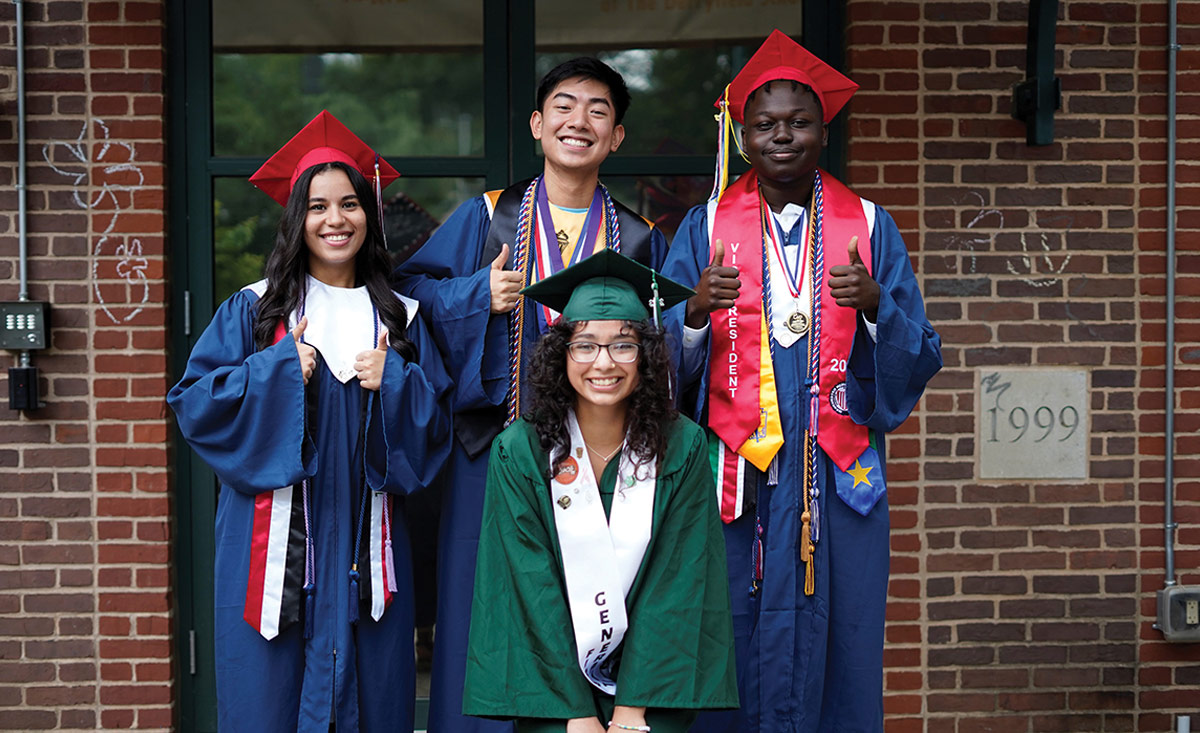
For those walking across the stage, the impact is deeply personal. “These students have worked hard to obtain their HiSET or GED credential and deserve a dignified celebration for their supporters and families,” said Steve Thiel, assistant vice president of Community Impact at SNHU, noting that the ceremonies align with broader efforts to further learner success and foster economic opportunity.
That same sense of affirmation and belonging is on full display each June at Breakthrough Manchester College-Bound’s clap-in, clap-out ceremony. Now approaching its fifth year, the ritual brings together graduating seniors and incoming middle school students on the first day of the summer program. As graduates process out in decorated caps, medals, and stoles, they’re met with resounding applause from younger students lining the path ahead.

For Ben Gentry ’12 ’14MFA ’16MEd ’21EdD, director of college access programs at SNHU, the ceremony’s impact lasts far beyond the moment. “I hope they carry that sense of belonging,” he said. “Wherever they go, I hope they know they will always be part of the Breakthrough community and that they will always be both a teacher and a learner.”
Supported by SNHU for more than a decade, Breakthrough Manchester College-Bound is a tuition-free program focused on academic enrichment, mentoring, and college access for highly motivated, under-resourced students. Its impact is generational, expanding opportunity for local youth while reinforcing that they belong in higher education.
Combined, these milestones show that educational access is not a single moment, but a sustained commitment built through mission-aligned partnerships, trust, and shared belief in human potential. By meeting learners where they are and recognizing how far they’ve come, we affirm their place within a broader community that sees them, stands beside them, and carries them forward as each new chapter begins.
What It Took to Get Here:
Journeys Shaped by Time and Heart


Once a Penmen, Always a Penmen


To learn more, visit snhupenmen.com/hof.

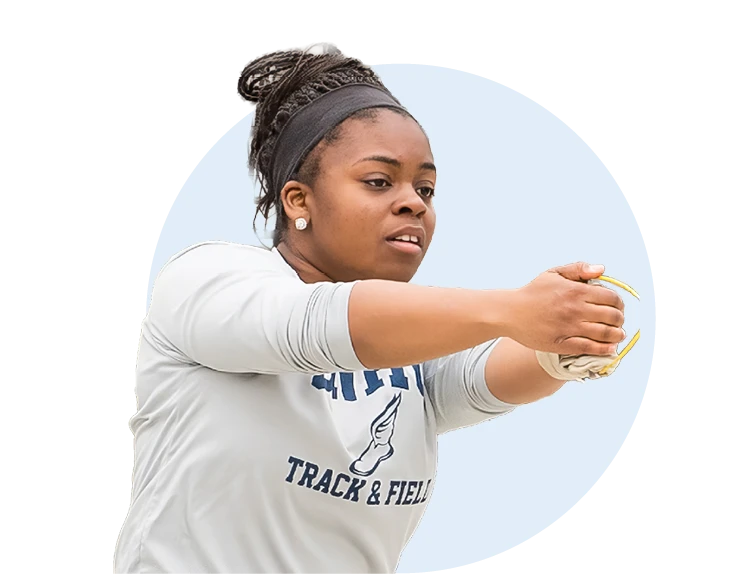


Make a gift at alumni.snhu.edu/athletics

What Your Generosity made possible
A Year of Shared Impact
SERVICE & VOLUNTEERISM
10,548 employee Volunteer Time Off hours — a record year
9,500+ Global Days of Service hours
14.4% of alumni community connected through events, service, giving & digital engagement
958 donors & partners invested in scholarships, programs & student success
Pathways to Opportunity
Breakthrough Manchester College-Bound
15 college-bound graduating seniors
Center for New Americans
81 families served
- 63 Global Days of Service projects across 44 states, DC, Puerto Rico,
and Canada - 88 student-led volunteer projects
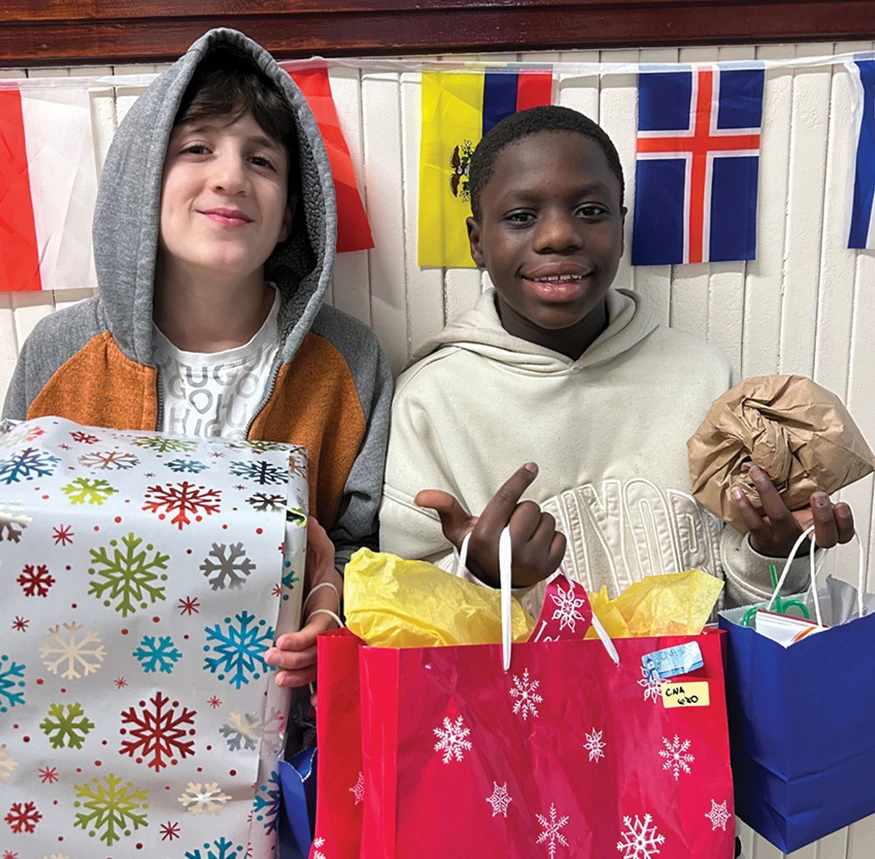
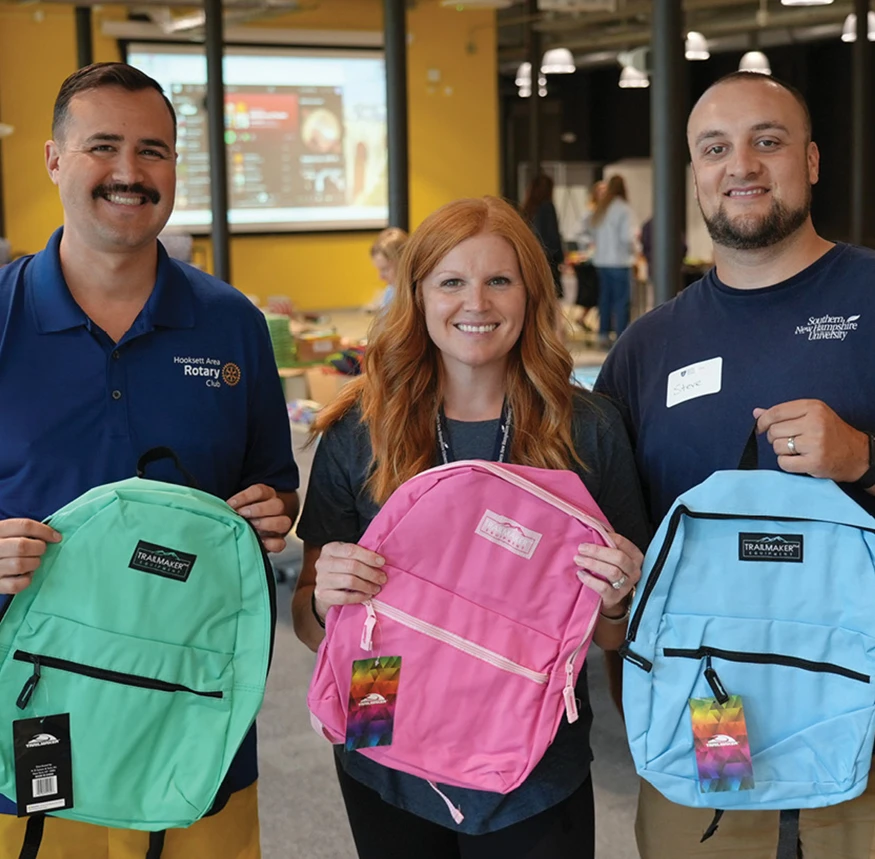
- 137,845 Back to School Drive supplies donated to Manchester schools
- 2,000+ educators supported through the Back to School Drive
- 883 students engaged with The Chandler Center
- 700+ students mobilized during the 2024 election
- $750,634 in donor-funded scholarships awarded
Generosity moves
in every direction.
The Ripple Effect
A student volunteers with a nonprofit partner.
An alum reconnects at Homecoming.
A donor funds a scholarship.
A foundation invests in access.
An employee uses Volunteer Time Off.
At Global Days of Service, they serve side by side.
Each act strengthens belonging.
Each investment expands opportunity.
Each story inspires the next.
This is how we build a generous community — together.
A Community That Shows Up
Generosity doesn’t require wealth or expertise, only willingness.
Together, we expand access, strengthen communities, and support student success.
Be part of what generosity makes possible.
Give. Volunteer. Mentor. Share your story.
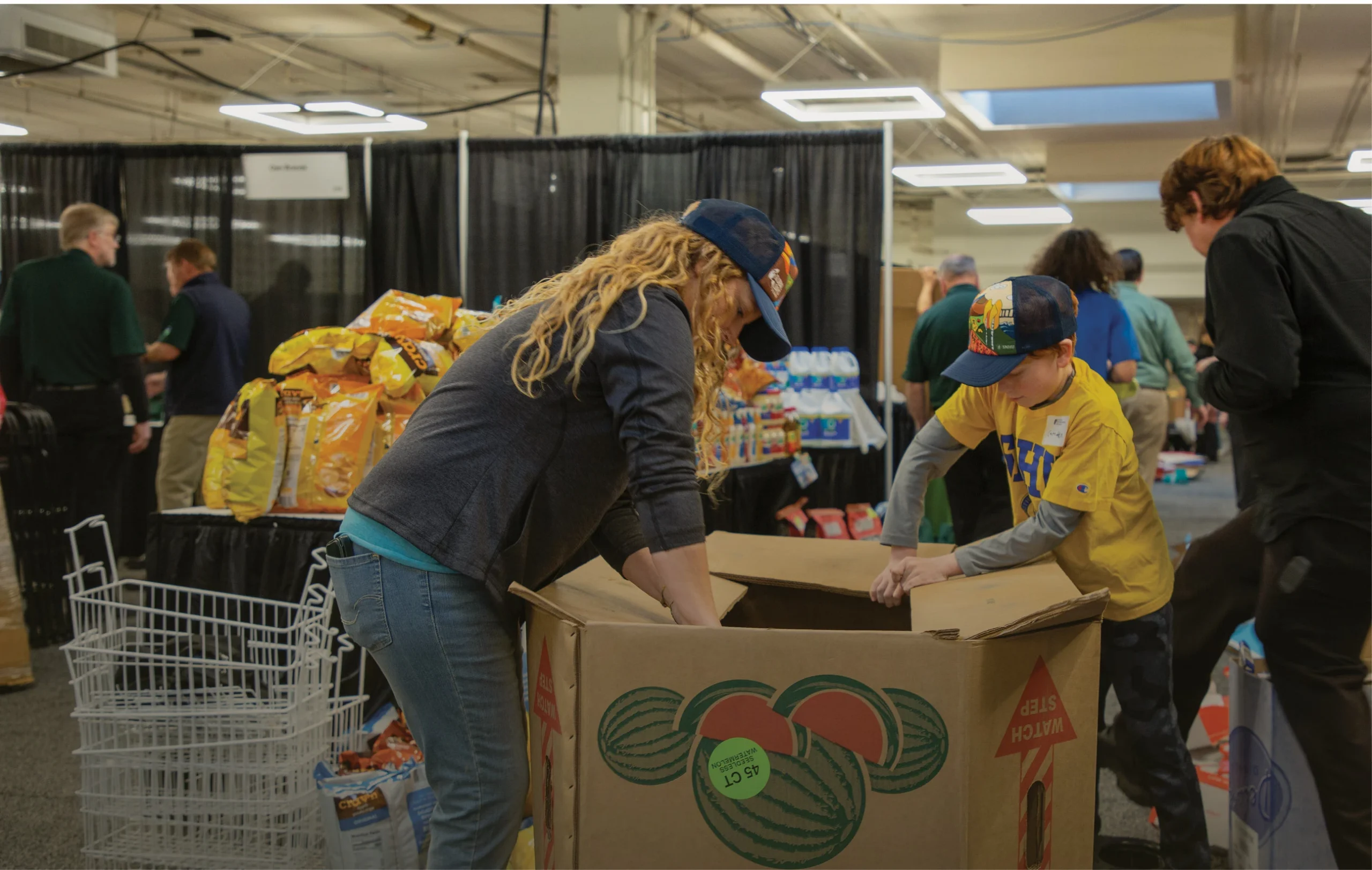
In Photos: A Generous Community


SERVE WITH SNHU IN MARCH AND APRIL
alumni.snhu.edu/serve
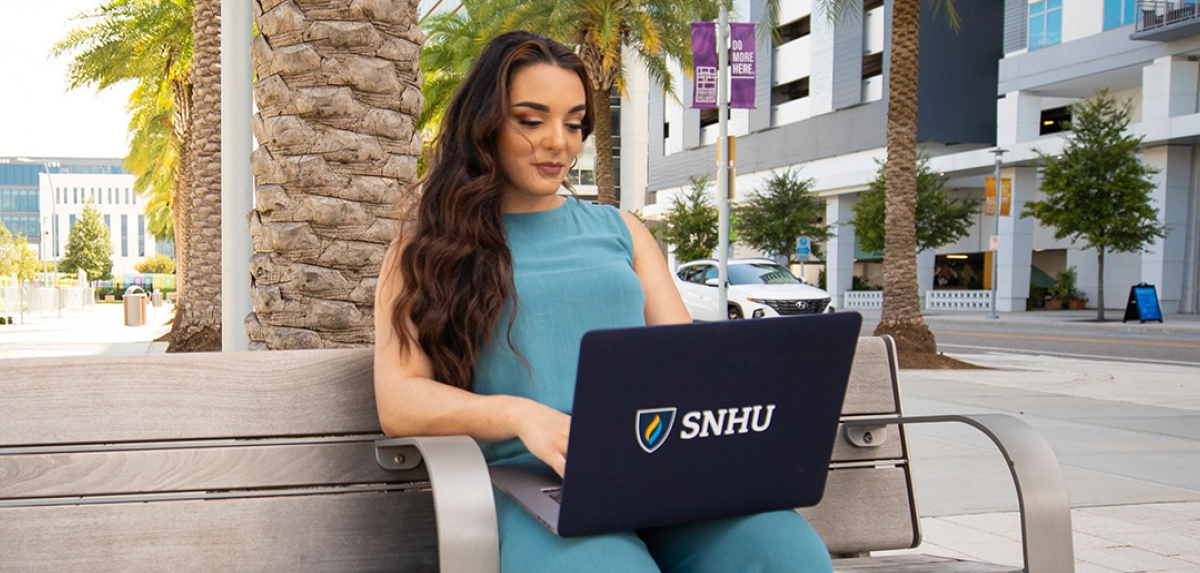
FUTURE-READY SKILLS. IMMEDIATE IMPACT.
Six-week, online micro-credentials in leadership, data, design, emotional intelligence, AI, and more — built to verify real-world skills employers value. Learn more at skills.snhu.edu.
Alumni

Employers & Leaders
Upskill your teams with fast, skills-based learning. Contact skills@snhu.edu to learn more.
*Discount valid for SNHU alumni only through December 31, 2026.
Micro-credentials may be eligible for employer professional development funding.


Why I Give: Jonelle Walters ’22 ’23G
“The act of giving back is a social responsibility,” says SNHU alum and board director Jonelle Walters. For her, generosity is rooted in expanding access to education — what she calls “a lifelong journey to discovery and empowerment” — and in strengthening the communities that make that journey possible.
During her time as a student, Jonelle navigated a range of financial barriers and personal challenges. Guided by her determination and the support from admissions counselors, academic advisors, and instructors, she graduated with her master’s — and a sense of pride in the community that helped propel her forward.
Inspired by this support, Jonelle continued the cycle of reciprocity that helped her on her own academic journey. From mentoring students as a Student Engagement Council leader, to serving on the SNHU Alumni Board of Directors, and supporting scholarship funds, her involvement reflects the desire to lead by example and with empathy. “I feel that it will inspire those who have graduated [to give back] so other learners can continue their journeys,” she said, “I was a student, so I know what it feels like to buy a textbook or pay a school fee.”
As an alum and donor, the full circle moments have been incredibly moving — particularly the letters of appreciation she’s received from scholarship recipients. Jonelle believes this exchange of gratitude strengthens connection and fosters positivity throughout the community. “It’s a great feeling for me when someone says, ‘Hey, Jonelle, thank you for making this possible’,” she said. “Because you know you have impacted a life and created change for someone else.”
Jonelle encourages others to “keep the energy going” by making giving back a regular practice — whether through volunteer events like SNHU Global Days of Service, or by supporting scholarship efforts. Gifts of all levels can help students begin their own “journey to discovery and empowerment.”
To learn how you can make an impact, contact giving@snhu.edu.
